
THE Kind Hills
on Friendship, Pavement and the Little Epiphanies That Shaped a Lifetime
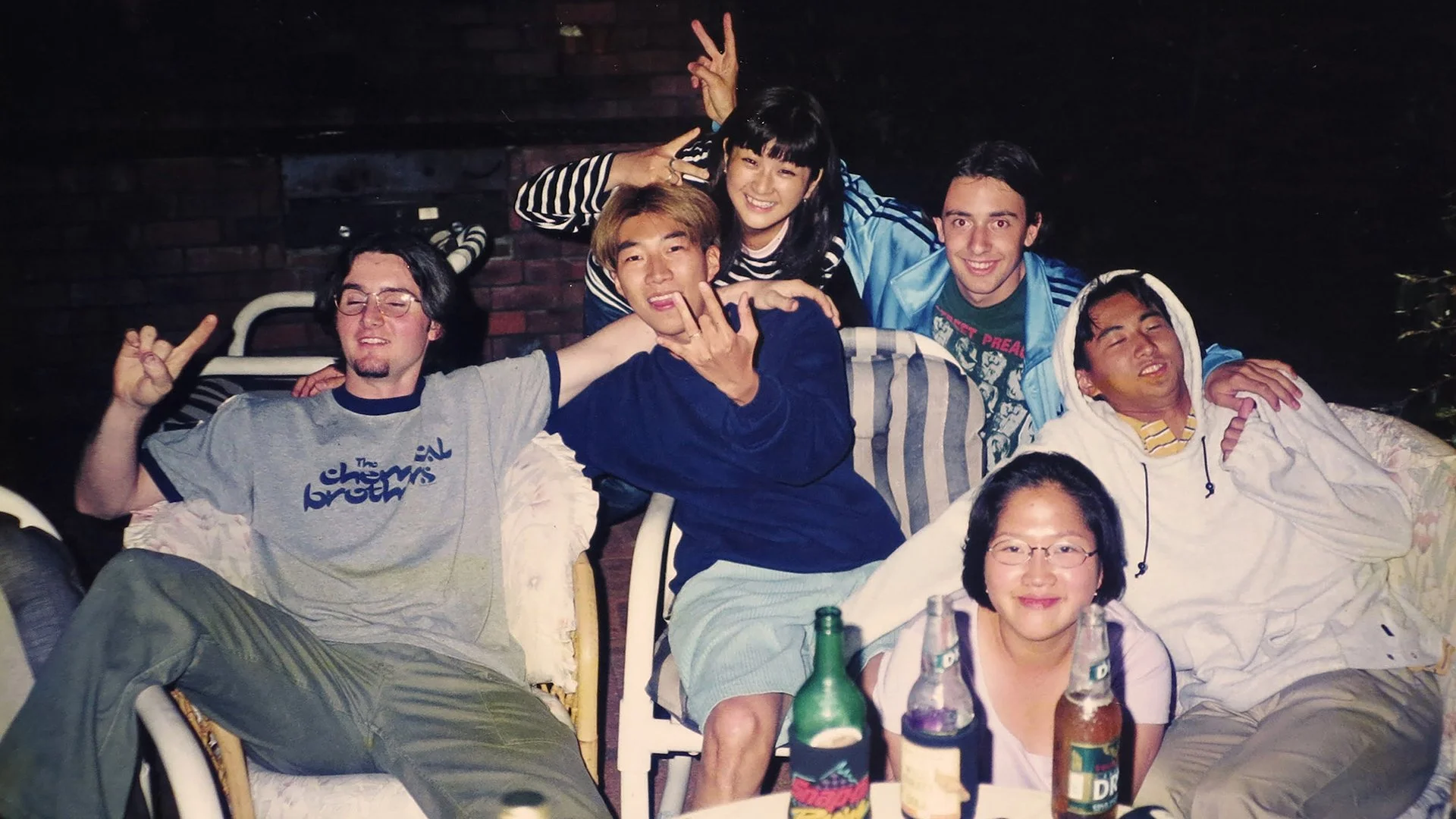
Some bands are built in rehearsal rooms. Others are built over decades, across countries, continents and countless shared memories. For The Kind Hills, distance has never been a barrier. Their new album Little Epiphanies was written and recorded across four continents, bringing together old friends whose creative connection has endured since the late 1990s. Filled with warmth, humour, nostalgia and understated beauty, the album captures the feeling of looking back without getting stuck in the past.
Little Epiphanies was written and recorded across four continents, which is such a unique way to make an album. How did that long-distance collaboration shape the songs emotionally and creatively, and were there any moments where the distance unexpectedly became a strength?
Brett: We’re so used to this long-distance thing. It’s just business as usual ever since we met in the late 90s. Of course, our music has brought us closer together again and we really enjoy talking and laughing about all the shared memories. But we’re not living in the past. I guess with many songs we’re just trying to capture a feeling from the past and bring it into the now. So our songs are often a mix of that carefree, “the world is your oyster” attitude and our slightly more mature, maybe very slightly wiser current perspective on life.
Chase: The long-distance approach definitely has some strengths as well. I honestly don’t think we’d ever finish a single song if we were all together in a room. There’d be too many other things to do and Brett would always bring a ton of his home-brew stuff that we’d have to try.
‘I Love Perth’ feels nostalgic, warm, and beautifully understated. What memories or emotions were you drawing from when writing the song, and how important was it to capture that specific feeling of your early years in Perth?
Martin: Well, we didn’t write this song unfortunately. It’s a Pavement B-side that came out around that time when we were all in Perth but I don’t think we even listened to it back then, it was more Crooked Rain, Crooked Rain stuff. When recording the album we simply remembered this track and that it would be such a good fit. When recording the song, it didn’t need much effort for it to sound warm and nostalgic. I think it didn’t need any effort at all because the original is so wonderfully understated and dreamy.
Chase: Pavement actually had a concert in Perth in 1997 and I remember I really wanted to see them live but most of us had no money, or were complaining the venue was too far away. And Bea was most likely not interested on top of that.
The story about Pavement playing Perth while none of you could afford tickets feels strangely perfect for the spirit of the song. What was it about bands like Pavement and the wider indie scene that resonated with you during those formative years?
Roman: It was probably the fact you could just be yourself. There was no dress code, no special attitude requirement, no gadgets or clothes or anything that was needed. No scene to join. The music, musicians and the people listening to it were all laid-back, unpretentious and easy-going. Gigs back then were happening at small venues, sometimes with just a bunch of people in the crowd, so it was a really chilled and friendly atmosphere. You could just be yourself, liking the things you liked, disliking whatever you didn’t like. Maybe except for Savage Garden. You should really not have liked these guys.
Jess: Yeah, very funny. Back then Savage Garden were huge in Australia and maybe in the rest of the world too. And I loved them. And I did go to one of their concerts. And ever since, I mean it’s been almost 30 years, the guys are giving me a hard time about it. They really, really disliked Savage Garden.
Martin: We still do, Jess!
The album balances humour, melancholy, optimism, and simplicity in a really natural way. Was there a conscious intention behind keeping Little Epiphanies grounded and understated, rather than overproduced or overly polished?
Chase: I don’t think we do anything consciously. We just always do what we feel like. I’d like to believe we don’t want things overproduced and overly polished, but maybe we just don’t have the skills and the nerve for it.
Jess: We were always having a great time together, making lots of silly jokes but at the same time we all understand life’s not just a party and everyone has their ups and downs and sometimes needs a bit of time off. Maybe that relaxed and understanding approach is something we’ve all acquired while living in Australia.
‘Dance Dance Dance’ has a really special emotional core, especially with Roman’s daughter appearing on the track. How did that collaboration come about, and what did having that family connection woven into the song add to the meaning of both the track and the album as a whole?
Roman: I must admit it is very nice to have her vocals featured on a Kind Hills track. Any parent can probably imagine how this collaboration came about… By her constantly nagging me until I eventually gave in like any good parent. I wrote ‘Dance, Dance, Dance’ for her but didn’t actually expect it to become a Kind Hills song.
I’m personally very anti-dance, meaning others can dance all they want as long as they don’t make me dance or comment on my not dancing. I think it’s quite natural for us to invite family, friends and others into our musical world to contribute or comment. It’s a very open, collaborative approach anyway and there’s plenty of space for anyone to become part of it.