
Lonely Kids Club
Good Humour, Great T-Shirts & Doing Things Differently
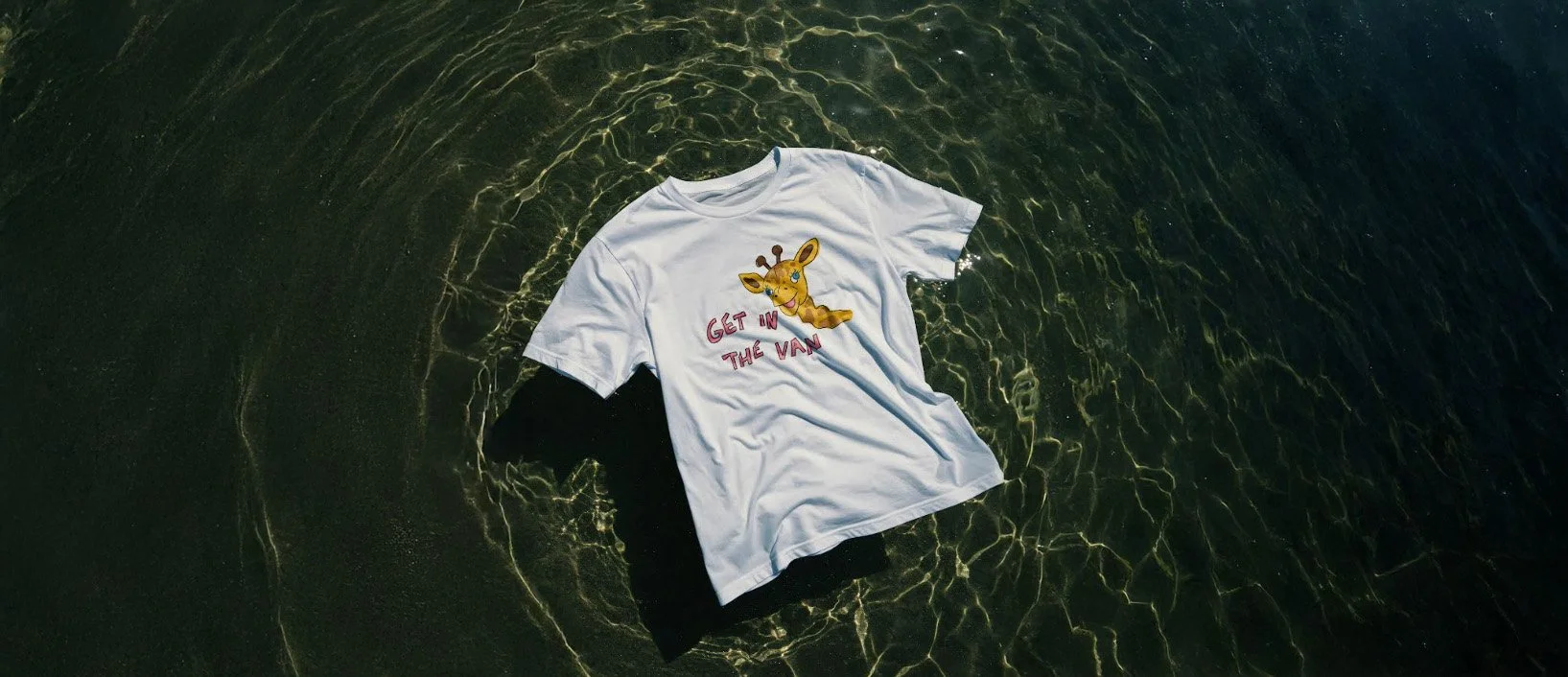
Image: ‘Get In The Van’ by Claire Harrison
Since launching in 2011, Australian independent label Lonely Kids Club, founded by Warwick Levy, has been making graphic clothing that doesn't take itself too seriously. Built around clever observations, playful illustrations and the occasional celebration of life's simpler pleasures (how good is bread, really?), the label has carved out a distinctive space in independent fashion. What began as a personal project has grown into a collaborative platform for independent artists and illustrators, bringing together everything from everyday absurdities and nostalgic Australian references to designs exploring identity and mental health. With a gender-neutral approach, a commitment to artist commissions and a print-to-order production model operating out of its Artarmon studio, Lonely Kids Club continues to champion a more considered approach to graphic clothing.
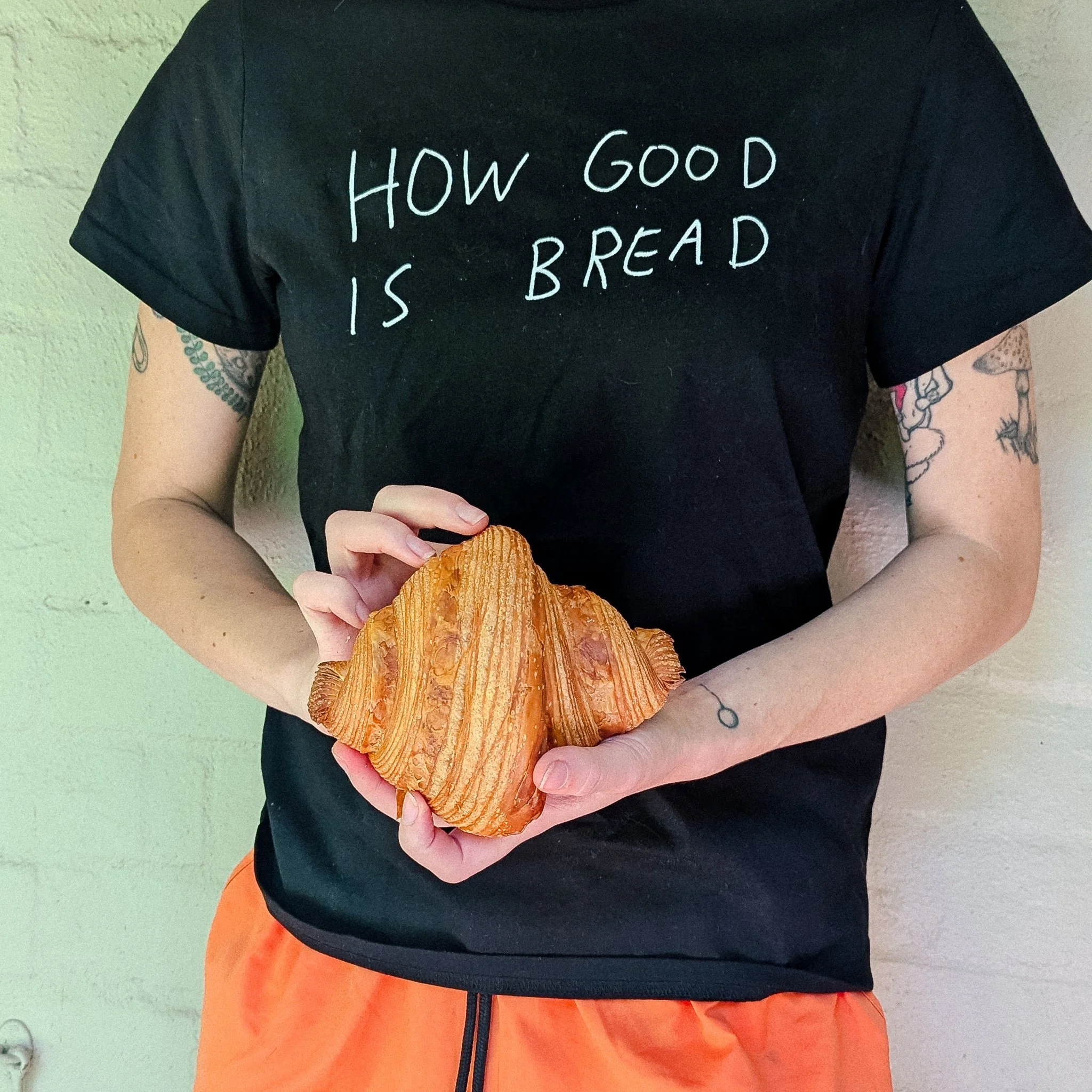
Image: ‘The Bread Tee’ by Warwick Levy
We caught up with Warwick Levy to talk about the art of a good T-shirt joke, the importance of creative collaboration, keeping production independent and why sometimes the simplest ideas are the ones that stick.
Lonely Kids Club has been creating independent graphic clothing since 2011. What inspired you to start the label, and how has your approach to design evolved over the past 15 years?
I was really into graphic tees and the way they let you say something about yourself without having to start a conversation. I was studying construction, which wasn't going particularly well, and eventually decided to have a go at making the clothes I wanted to wear. LKC officially launched in 2011.
The range has grown to include a lot more artists and different perspectives. There are silly food jokes alongside bird illustrations and designs about mental health or identity. The common thread is making something that feels personal to the person wearing it. We've kept it gender neutral from the beginning.
A great funny T-shirt often comes down to a simple idea executed perfectly. When you're developing a design, how do you know when a joke, phrase or illustration has the potential to work on a T-shirt?
For me, there needs to be one clear thing that makes the idea funny. That might be recognition, an unexpected pairing or a very ordinary thought being taken slightly too seriously. If you keep adding jokes to it, you can lose the thing that made you laugh in the first place.
A T-shirt doesn't give you a voice or a pause to deliver the joke, so the design has to do that work. What do you notice first? Does the drawing set something up that the words then change? Can you read it quickly? The scale of the print and the lettering affect how the line lands.
My Bread Tee is just 'How good is bread' in my handwriting. Part of what makes it work, I think, is how sincere and unnecessary that announcement is. Making it look like a very serious piece of branding would change the joke. Sometimes the best thing you can do is leave a simple idea alone.
From your handwritten 'How good is bread' design to the giraffe illustration on the Get In The Van Tee, your range draws on everything from everyday observations to shared Australian nostalgia. Where do your ideas usually come from, and what makes certain concepts stick?
They come from everyday things, conversations, internet nonsense, our artists and the LKC community. I think a lot of good humour starts with noticing something familiar and finding an odd way to present it. Someone sees it and thinks, 'Oh god, yes, I know exactly what that is.'
Bread is a small everyday enthusiasm turned into a public statement. Get In The Van was illustrated by Claire Harrison in 2022 and draws on the shared memory of Healthy Harold and the school health-education van. There's something funny about putting a slightly ominous instruction next to this friendly giraffe people remember from childhood. The image and the words change each other.
That specificity helps. You don't need every person on earth to get it. For the person who does, it can feel like a shared joke. The funny t-shirts I find most interesting give someone that little moment of recognition without explaining the whole thing to them.
You work directly with independent artists and illustrators, allowing them to retain the rights to their work while earning ongoing commissions. How do you approach these collaborations, and how do you balance your own vision with each artist's individual style?
An artist's individual style is the reason to work with them. I want that to come through in the finished piece. Someone like Bridget Farmer, Kirsty McIntyre or Kayla Reay brings something very different to the range, and that's a good thing.
My part is thinking about how the artwork works as clothing: the size, placement, garment colour and how it will print. The artist keeps ownership of their work and receives a commission from sales. Because we print orders as they come in, a collaboration can stay available and keep paying the artist beyond a single release.
Lonely Kids Club prints each order in your Artarmon studio rather than mass-producing garments, using a print-to-order model to reduce waste. What are the challenges of keeping production local and independent, and why has this approach remained important to you?
The challenge is making the numbers work while paying people properly and doing the printing ourselves. There is a real amount of time and labour in printing, checking and packing each order. We're a small team, and I'm still involved in that work.
To be clear, the blank garments are made overseas, mostly by AS Colour. We print and pack them in our Artarmon studio. Keeping those steps here lets us check the finished product ourselves, and printing after an order comes in means we don't need piles of already-printed shirts in every design and size. Staying independent gives us the freedom to keep working that way, even when it means a smaller margin.
Graphic T-shirts can be disposable trend pieces, but Lonely Kids Club keeps designs available beyond short fashion cycles. What do you think makes a graphic tee timeless, and what do you hope people connect with when they wear one of your designs?
I think there's a difference between something you laugh at once on your phone and something you want to keep wearing. A shirt has to work after you've already read the joke. You still need to like the drawing, the lettering, the colours and how it looks on you.
A particular internet reference might have a short life, but being very enthusiastic about bread is probably safe for a while. So are a favourite animal, a shared memory or an artist whose work you love. Those things can keep meaning something to you after the initial laugh.
Our graphic tees can stay available because we print to order, including designs that only find a small audience. I like that they don't have to appeal to everyone to deserve a place. I hope someone feels that a shirt captures a little bit of their personality, and enjoys wearing it.
Discover Lonely Kids Club on Instagram and shop graphic tees and funny t-shirts