
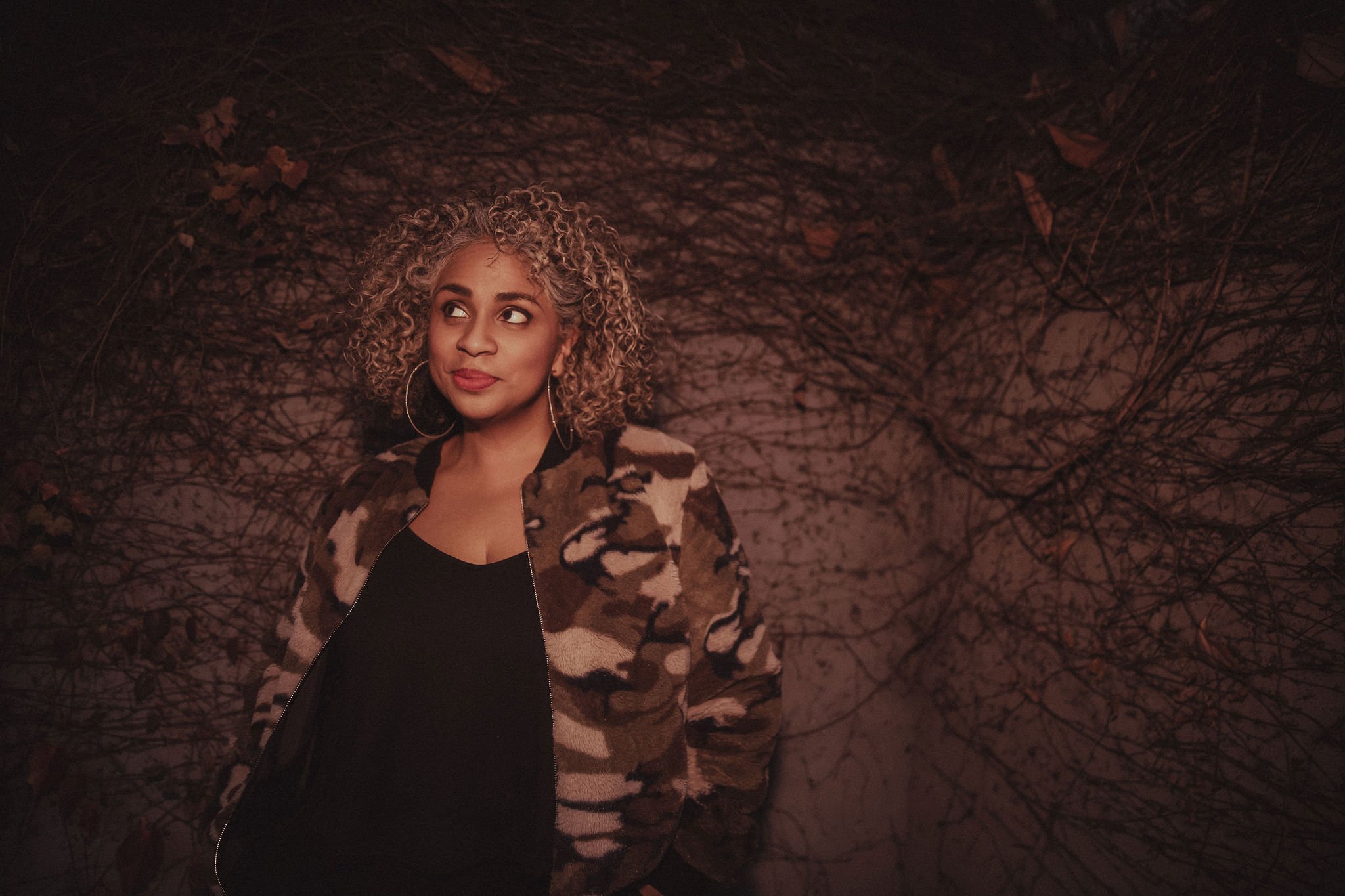
Leela Misel
On 'Obsessed', Finding Freedom in Songwriting and the Power of the Flute
Leela Misel's new single 'Obsessed' explores the pull of fixation, curiosity and the desire to understand something or someone completely. Drawing on nearly three decades of performing, her Indonesian and Malaysian Tamil heritage and an unconventional journey from classical flute to rock, Leela brings a distinctive perspective to her songwriting. In this conversation, she discusses the story behind 'Obsessed', finding her voice as a songwriter, and how the flute became such an important part of her musical identity. She also reflects on the challenge of making space for creativity while balancing work, family and a busy life of performing.
'Obsessed' explores the blurred line between admiration and fixation. What drew you to that idea, and how did it become a song?
This one's about fixation, plain and simple - the pull to know absolutely everything about something, whether that's a musical instrument or a person. Lockdown is what made it obvious. With fewer distractions, I watched myself get swept from one thing into the next - never satisfied with just picking something up, always pushing until I'd mastered it, and then still not stopping there. With people, it's the same instinct, just aimed at someone rather than a skill. "Obsessed" is that pattern, put into a song.
There's an interesting contrast between the vulnerable subject matter of 'Obsessed' and its dreamy, uplifting sound. How did you approach creating that balance?
This one came together fairly instinctively, mostly because of the history behind it. Producer N8or and I have played together live for years in my cover band, X-GENZ, and recorded a fair few studio demos together too - he knows my voice and my flute well, and I trust his ear for production and for finding the interesting part in a song. That groundwork meant we didn't have to work hard at balancing the two sides of 'Obsessed' - upbeat and cheerful on the surface, but with a sense once the flute solo hits that the cheerfulness needs watching. It came out of trust more than negotiation.
You have Indonesian and Malaysian Tamil heritage and have spent close to three decades performing. How have your background and experiences shaped you as an artist and songwriter?
I've always thought of myself as a bit of a cultural nomad. Growing up between an Indonesian and Malaysian Indian heritage and mainstream Australian culture, I was often half a step outside whatever room I was in. That outsider-looking-in feeling is actually the same one that sparked 'Obsessed' - meeting people whose ordinary lives felt exotic to me, getting fascinated by details other people never thought twice about. I think close to three decades of performing has been shaped by that same instinct: watching closely, noticing what other people don't, and eventually turning it into songs.
The flute is an unusual instrument to find in rock, but it has become part of your live identity. How did that relationship with the flute develop, and what does it bring to your music?
I'm classically trained, and spent many years in orchestras and chamber groups. Singing actually came from somewhere else entirely - mates who played guitar wanted someone to sing over the top while they practised, so I'd just go along and fill in. I always brought my flute too, but back then all anyone had were tabs, not sheet music, and I couldn't read tabs at the time. Voice turned out to be the last instrument I added, quite late, probably in my 30s; flute had been there from the start, including through music theatre, where I played flute and keyboards, among other shows, in Flowerchildren (The Story of the Mamas & Papas), which featured Casey Donovan.
I got a lot of quizzical stares from guys with guitars back then, wondering how I was going to fit into a run through AC/DC or the Screaming Jets with just a flute. By the time I joined the originals blues rock band Stonetrain, years later, I was singing too - but it's still where the flute really came into its own, not just as colour and rhythm underneath a song, but as the focus of one. My proudest moment was writing a song with what I thought was a placeholder guitar solo, recorded quickly on flute so the guitarist would know where it went. He heard it and said, "Let's go with your flute solo, don't worry about the guitar." I didn't see that coming! That flute solo's stayed in the song ever since too - played at blues and folk festivals, and on the Blues Train.
Your songwriting explores themes like identity, family, burnout and finding stillness. What role does songwriting play in helping you explore those ideas?
Songwriting is where I make room for things I've otherwise talked myself out of. Between being the sole carer for my father, a full-time job in IT, and running X-GENZ's socials and gig schedule - 40 to 50 shows a year, mostly regional, so most weeks go on travelling, preparing or recovering - there's very little stillness left over. For a long time I told myself none of it was worth writing about. Putting it into a song is what showed me it does matter, not just to me, but to other people quietly going through the same thing.
You've been performing for decades, from Stonetrain and festival appearances through to your recent solo releases. How does this current chapter of your musical journey feel to you?
It's easier in some ways - I've got a catalogue behind me now, and the confidence that comes from having written six singles instead of wondering if I ever could. But the actual process of writing isn't as free as it was when I started. Back then I just wrote. Now there's a lot more in my head - shoulds and shouldn'ts, rules and songwriting 'tips' I've picked up along the way. They're meant to give me structure, but they get in the way as much as they help.
That's where it all started - lockdown gave me the time to learn guitar quickly, and not long after, I joined the originals blues rock band Stonetrain as a singer who also played flute. Songs from that period were played at the Queenscliff Blues Train and at festivals and pubs around Victoria - that's where I found the confidence to front a band with flute. Later, the guys invited me to write with them, and I sent out demos from there, releasing my debut single 'Switch' off the strength of that feedback. Six singles on, this chapter is less about proving I can do it, and more about finding my way back to writing as freely as I did before I knew all the rules.