
Jean Elliot
Inside the Dust-Covered World of ‘This Room’
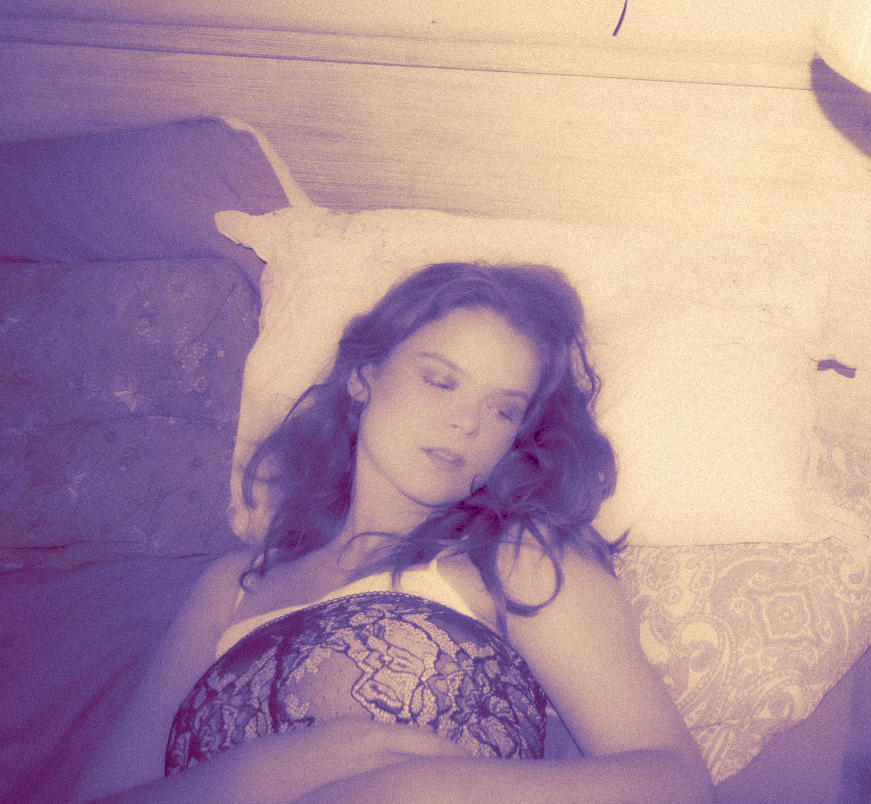
With her new single ‘This Room’, Jean Elliot invites listeners into a world where decay, tension and delicate storytelling collide. Drawing from slowcore, shoegaze and noise rock, Elliot crafts a sound that feels both intimate and expansive — a cinematic moment suspended in dust and shadow. In this exclusive interview, she unpacks the production wizardry, emotional duality and narrative threads behind one of her most compelling releases yet, offering a deeper look into the evolving universe of Preycatcher.
Sonically, ‘This Room’ leans into slowcore, shoegaze and noise rock. How did artists like Good Night & Good Morning, Tacoma Radar and Duster influence your approach to this track?
As someone who produces her own music, genres like shoegaze and slowcore that are so characterised by their specific guitar tones and production provide great inspiration for new things to try with the ways I record, or how creative I can be with producing. For bands like Good Night & Good Morning, there is this tangible sense of space in the atmosphere of their music. They’ve been a massive influence on what I aim to achieve with reverb; what I can find naturally in the room, with guitar tones, and dial in on the DAW. I think the effect of noise rock on my process was all about that too, figuring out what screeches, scrapes and frequencies I can achieve with natural sounds like trains, microphones or industrial fans, and then learning new production skills to incorporate them comfortably within the environment of the song. Tacoma Radar and Duster are masters of slowcore and lofi sound on guitars and drums. Learning to replicate those tones has been challenging and rewarding, but so very necessary to achieving that final sound for ‘This Room,’ which I can only equate to what a layer of dust settling over a song would sound like. Being self-taught in recording and production really only means that you’re learning the hard way by listening to the masters do it, and if your inspirations are as interesting and sonically gorgeous as the ones I’ve mentioned, it's nothing but enjoyable.
The low, rattling guitar tunings and ambient drones create a suffocating atmosphere. Can you walk us through how you built the track’s unique sense of decay and tension?
For this track, my jazzmaster is tuned down to c standard, and subject to a slight bit of detuning in post. By slowing or detuning already drop tuned guitars and incorporating natural ambient noises of fans, screaming aux cords or trains, there was a really nice sonic soundscape achieved that just drowns the listener in deep ambient noise. In terms of tension, the intro features a few reversed guitar recordings to really build up into the verse, and some droplets of a very poorly tuned piano in my guitarist Ollie’s bedroom. My tracks always have a daunting amount of layers, but I have always been of the belief that it's the tiniest of details that really make a song special. For this song, there's plenty of guitar and vocal layers for harmony purposes, but also lots of small ambient noises from start to finish. Some are recorded with in-DAW sounds, others are reversed and slowed sounds of public transport that poke through in quieter parts of the song to situate the listener somewhere. I love small details like that, and I loved whipping out my phone to record a voice memo of a drain pipe at random moments in the weeks I was creating this song.
There’s a balance of conceptual delicacy and bottomless rage in the song’s production. How do you navigate that emotional duality in the studio?
Considering my bedroom is the studio, it’s pretty easy to let it all those emotions stew in a small room until they are intelligible. When it came to writing this character’s death, it was important I told the story clearly and methodically to ensure that the concept of the album was upheld. I feel it is easier to do that when I ‘get in character’ myself, and think as she would. I tried to let the emotions like rage infest the guitar tones and mixing choices I made, to balance the intricacy and delicacy of the lyricism. Production choices for this song felt intuitive, but its not always easy to perfectly translate what you hear in your head into the project. I started journalling my thoughts on every song that I’ve been writing, which proved a good way to approach what I wanted to achieve in ‘This Room.’ I found that the lyrics were the right place to find that delicacy and clarity I wanted, and the production was their rageful juxtaposition.
‘This Room’ feels incredibly visual — almost cinematic. If you could capture the song in a single film scene or frame, what would it look like?
It’s an empty room with deteriorated wood panel floors. The window is covered in light sheer curtains that roll with the breeze entering the room from the crack in the pane. The angle of the camera slightly obscures the far left corner of the room. You can see the tail end of a shadow poke out from this obscured corner, suggesting that something or someone is there, but it isn’t moving. It’s blue hour, and you can almost smell the mildew through the screen.
How did performing the track live at the release show shape or shift your relationship with it, especially given its heavy subject matter?
I put a lot of pressure on that moment of the show, but as usual the band delivered. I get to play gigs with some of the most talented musicians I know, which I’ll never take for granted. The room was hot with the stage lights on, and the room was full of friends and family. I was having issues with what I could hear on my foldback speaker, and the perfectionist in me was in an internal panic that the whole song sounded like a potato mash of sound. I think I may have performed the whole song staring into nothing beyond the audience dissociating. But in true ‘me’ fashion, my worries were completely outlandish, as every video of the song that I watched sounded wonderful. Like I said, my band is not only populated with my favourite people, but some incredibly talented people. They always know how to honour my ideas and bring them to life better than expected. Every time I play a new song with them at a gig, especially ‘This Room’ I’m reminded that no matter the subject matter, no matter the chaos behind its creation, the songs are always in the best possible hands they can be.
With ‘This Room’ being the second single, what can we expect next sonically and narratively as Preycatcher unfolds?
The audience is going to be taken on a wild genre ride as we move through more of the Preycatcher rollout. We started with banjo infested folk on ‘O’ Anywhere,’ moving onto the sludgy slowcore inspired ‘This Room,’ and where we go from here will change completely once again. I wanted to ensure that all of the singles reflect a different facet of the album’s genre and story, before the full release shows how it all works together. The first single introduced the listener to the desires of the main character, with the second single detailing her death. I want to begin to fill those gaps in the narrative, and tease what might have started her story. My main goal is to ensure that as the project unfolds, people find something to connect with that draws them in. Whether that be in the story, or in the upcoming explorations into blues, country, noise rock or shoegaze that the project will host. I think audiences can expect an exciting 2026, with the next release being something the band has worked on together. The scale of the preycatcher world is about to explode into something much bigger, and I can’t wait to show you.