
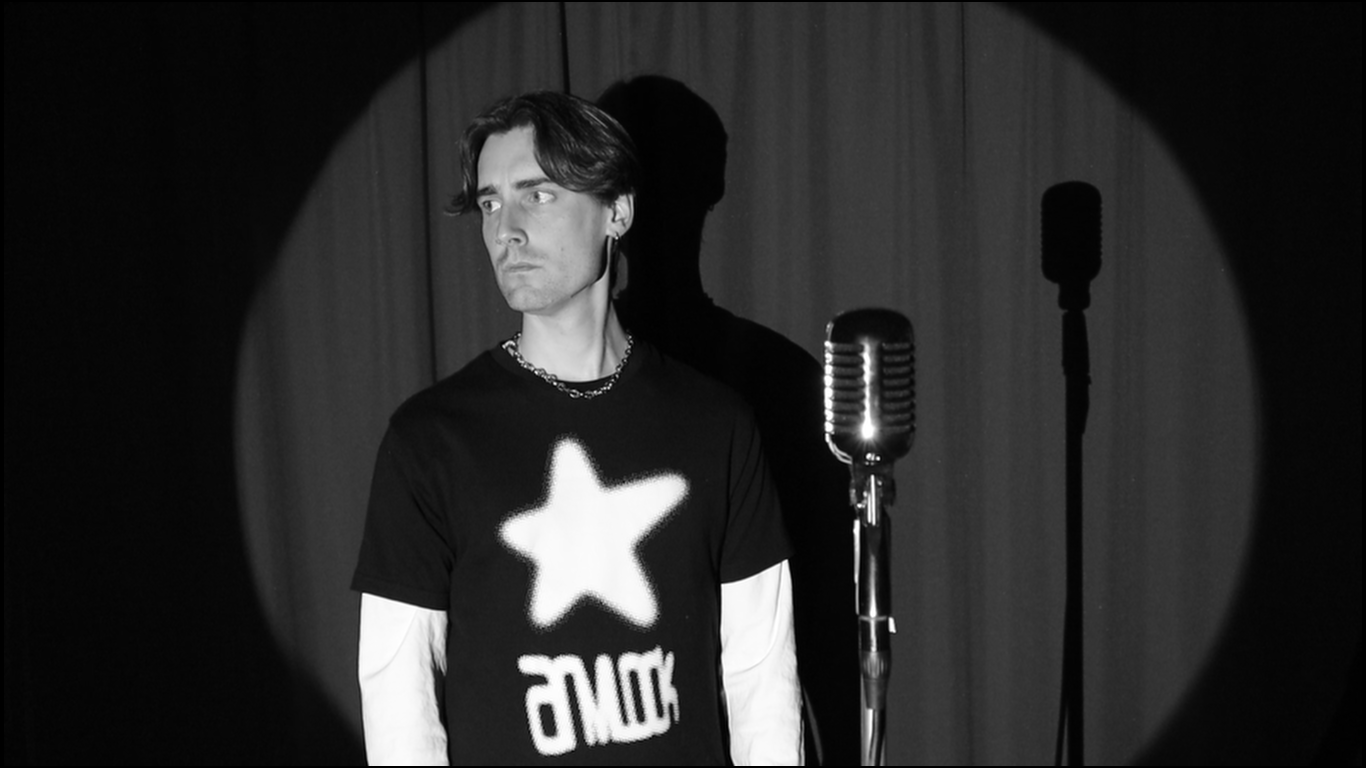
Dean Luke
Embraces Quiet Heartache on ‘I Could Be The One You Love’
Dean Luke has carved out a space for himself through deeply introspective songwriting, where vulnerability and restraint coexist in quietly devastating ways. On his latest release, ‘I Could Be The One You Love’, he leans further into minimalism, exploring the emotional weight of unrequited love with a delicate, almost timeless touch. Blending indie folk intimacy with dream pop textures and a cinematic sensibility, the track feels both personal and universal. We caught up with Dean to unpack the experiences behind the song, the metaphors that shape its world, and how he continues to evolve as an artist with each release.
‘I Could Be The One You Love’ explores the quiet devastation of unrequited love. Can you talk about the personal experiences or observations that shaped the emotional core of the song?
I think everyone's been in a position where they've had feelings for someone who, for whatever reason didn't have them in return. I've been in that position before, a good amount of people I know have been in that position so it was these personal and observed experiences that inspired the song. As well as that, I felt unrequited love would be a really interesting topic to explore as a songwriter. I liked the idea of sitting with the feelings I have about unrequited love, going deeper into them and articulating those feelings into a song.
Your sound blends indie folk intimacy with dream pop textures, drawing comparisons to artists like Elliott Smith and Lana Del Rey. How did you approach balancing those influences while still carving out your own identity on this track?
To be honest, I just wanted to write a song about unrequited love with an "old timey" chord progression and soft vocals. After it was done, that's when people started to make the Elliott Smith comparison, which I don't mind at all - though I feel I've got a while to go before I'm in the same league as Elliott Smith as a songwriter. I knew I wanted to have strings on the track and when I was workshopping string ideas with Lucy Rash, I used terms like "Lana Del Rey" and "old hollywood" to describe what I had in mind. That's probably why it's got a bit of a Lana Del Rey sound.
There’s a strong theatrical thread running through the lyrics - lines like ‘living my contractual play’ and ‘your role’s not major’ feel very deliberate. What inspired this stage/play metaphor as a way to frame unrequited love?
The song is about being in love with someone who'll never be able to have a romantic relationship with. I chose to use the metaphor of someone not having a major role in a play as a way to show this person is more of an acquaintance than a friend. They could be playing the role of a coworker or someone else in your life who you cross paths with from time to time, speak with every now and again but don't have anything deeper. But despite all that, you have feelings for them but they don't know.
You’ve built a reputation for deeply introspective and vulnerable songwriting. How do you decide how much of yourself to reveal in your lyrics, especially when dealing with something as personal as this?
I think whether I try to conceal it or not there's always a great amount of myself in my lyrics. That being said, there are times when I prefer not to write about certain things in an obvious manner and choose to mask and disguise them with metaphor and more cryptic lyrics. Despite having a reputation for writing personal and revealing songs, I'm quite a private person and need to get to know people before opening up. I think I'm comfortable writing revealing lyrics because when it comes to making music, I can't help but be as authentic as possible.
This is your 8th release- how does ‘I Could Be The One You Love’ reflect your evolution as a songwriter compared to your earlier work?
I think with I Could Be The One You Love I'm embracing the softer, more minimal style of songwriting I really like. Sometimes full band songs sound more like "proper" songs to me, but I think I'm learning to embrace more minimal songs.
Your live shows are described as hypnotic and cathartic. How does performing a song this emotionally heavy translate on stage, and has audience reaction shaped the way you connect with it live?
When I play a solo show, what I find with softer, more emotionally heavy songs is I tend to play them a little quieter than other songs. I think I started to do this as a way to convey to the audience I'm letting them in on something personal. When I see the audience really listening, I tend to play a little quieter to show them I'm opening myself up to them.
The videoclip leans into an old black and white film aesthetic, with a curtain and visual style reminiscent of Charlie Chaplin - though not played for comedy. What drew you to that visual direction, and how does it deepen or contrast the emotional weight of the song?
I felt that aesthetic matched the "old timey" sound of the song. It's actually a funny story - originally the music video was going to be a homage to David Lynch and Twin Peaks. The curtain behind me is red and the spotlight and old fashioned microphone was supposed to make it look like I was singing on stage at the Roadhouse. During editing I decided black and white footage suited the song better, so it turned out to look more like a TV performance in the 50s.